

Recently I gave the new Disney+ series, Cristobal Balenciaga, a watch, I’m sure those interested in fashion have already done the same. Besides the beautiful cinematography, acting and of course, the costume design, what stood out to me the most was the main narrative of the final episodes of the series, where spoiler alert, Balenciaga shuts down his store after becoming disillusioned by the rapidly changing world of fashion, with the introduction of prêt-à-porter as well as the new styles that the youth at the time were wearing. The series takes subtle jabs at the current state of the logomania heavy fashion world today, with the characters in the show monologing about the importance of high quality fabrics and tailoring. The show certainly raises the question, were the aging couturiers simply stuck in their old ways, unable to adapt to the inevitable changing world around them, or were they correct to fiercely defend using traditional practices?
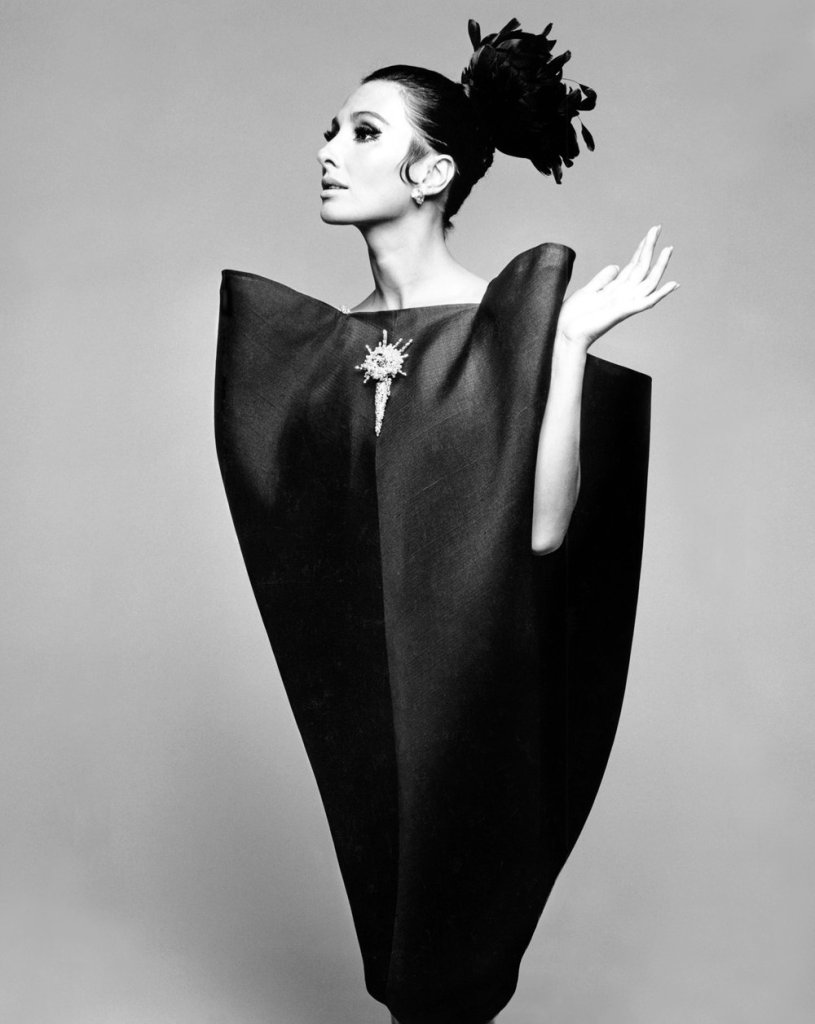
Well for starters, Let’s exclusively look at the pieces themselves. If you want a definition of timeless, these pieces would do nicely. These outfits are so incredible that they would still be considered radical if they were featured on a runway this year, and yet they were made almost 60 years ago. They are a perfect example of the result of using high quality fabrics as well as a patient, studious approach to design, where no detail goes unnoticed.
However due to drastic changes during the 60s such as the emergence of youth that rebelled against everything that was established before it, it is clear to see why Parisian Haute Culture become a dying breed as it represented an system that was only exclusive to the higher classes.
Circling back to the series, one of the arguments that Cristobal raised was that he made clothes for a specific clientele as a means of his company making a profit to continue as well as allowing himself to avoid the pressure of appealing to as many people as possible.
Regardless, the world of fashion and clothing has moved well beyond the ideals of the late 50s and early 60s, and while the era is a distant fossil of the past, it is far from forgotten, on the contrary, it is timeless.
 CANDID EXPLORATIONs
Leave a comment